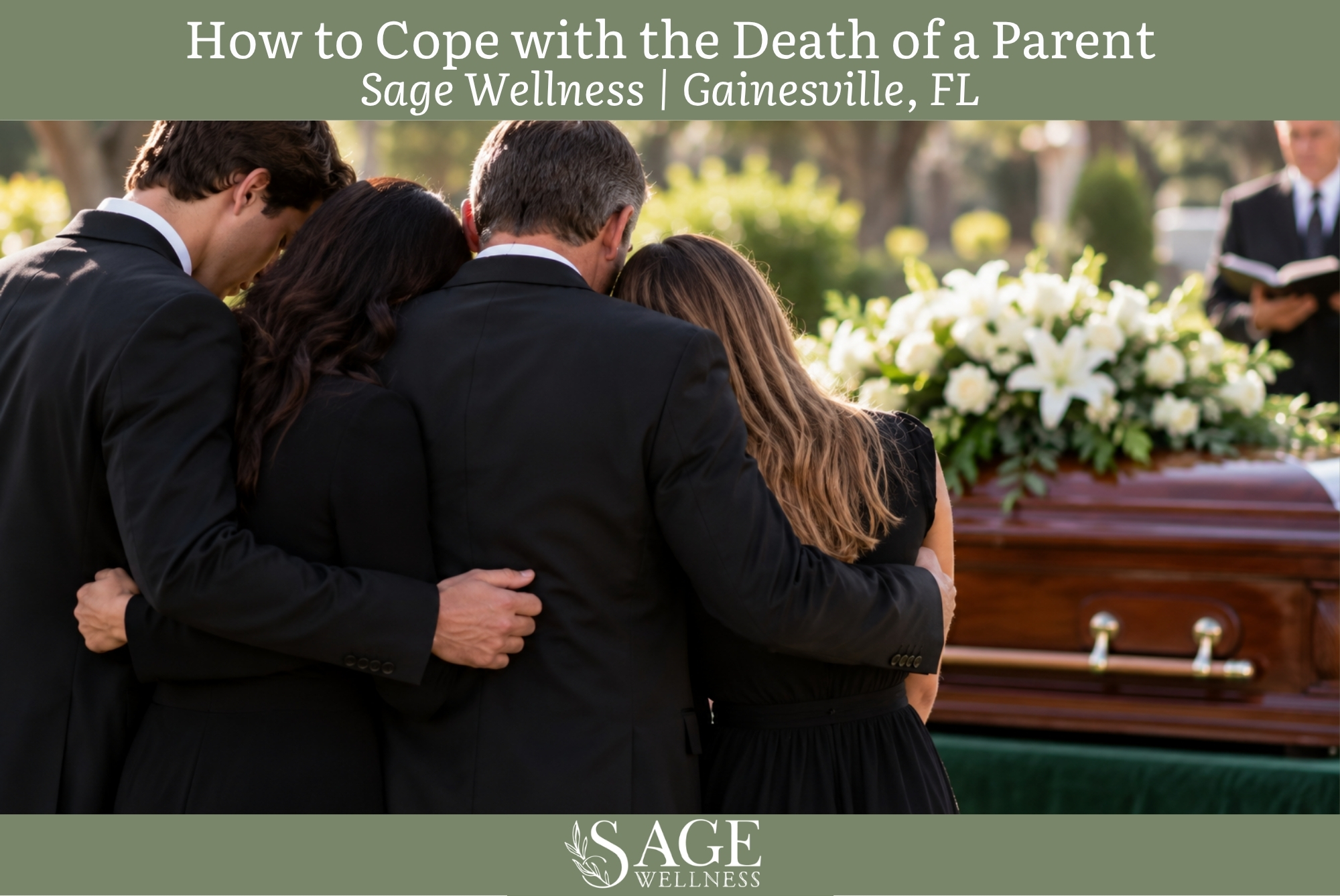
 Losing a parent can be one of life’s most profound and emotionally complicated experiences. Whether the relationship was close, strained, distant, or somewhere in between, the death of a parent affects your emotions, relationships, routines, identity, and sense of stability.
Grief is unique and personal. There is no single “right” way to grieve and no universal timeline for feeling better. Some people experience intense emotions immediately, while others initially feel numb or function relatively normally before grief begins to surface.
Understanding grief and developing healthy ways to cope can help you move through this difficult period and explore ways to heal and manage after this change.
Understanding Grief
Why Losing a Parent Can Affect You So Deeply
Parents occupy a unique place in our personal histories. They may be connected to our earliest memories, family traditions, sense of identity, cultural background, and understanding of home and belonging.
Even if you are an adult, losing a parent can alter your sense of security. You may suddenly become more aware of your own mortality, recognize how your family structure has changed, or struggle with the realization that someone who knew you throughout your life is gone.
The emotional impact does not necessarily depend on whether you had a positive relationship. A complicated relationship can produce an equally complicated if not a more complex grieving process.
Grief Does Not Follow a Straight Line
Grief is often described in stages, but real-life bereavement rarely progresses through a predictable sequence. Emotions overlap, disappear, and return unexpectedly.
You might experience sadness, anger, guilt, anxiety, numbness, disbelief, loneliness, relief, regret, gratitude, or confusion. You may feel relatively stable one day and deeply affected the next.
A birthday, holiday, song, photograph, family gathering, familiar smell, or seemingly ordinary experience can unexpectedly bring grief back to the surface. These experiences do not mean that you are moving backward in your healing, it means you are human. Normalizing this will happen is a part of adapting to life after a significant loss.
Grief Affects your Body and Mind
Bereavement is not solely an emotional experience. Stress associated with grief and loss affects sleep, appetite, concentration, energy, and overall physical and mental well-being.
Some people notice fatigue, headaches, digestive changes, muscle tension, restlessness, difficulty concentrating, forgetfulness, or changes in appetite. Everyday responsibilities may temporarily feel much harder than they did before the loss. Recognizing these responses can help you approach yourself with patience rather than expecting your usual level of productivity. When life suddenly changes, especially when it is sudden or unexpected, we are not able to function at our prior capacity.
When the Relationship With Your Parent Was Complicated
You Can Grieve Someone While You Have Mixed Feelings About Them
Not every parent-child relationship is close or healthy. If your relationship involved conflict, estrangement, neglect, trauma, addiction, abuse, or unresolved tension, grief can be present along with a myriad of other conflicting emotions.
You might mourn the parent who died while simultaneously grieving the relationship you wished you had experienced in the past, or hoped you could one day experience in the future.
In addition to grief, you may also feel anger, relief, guilt, happiness, resentment, sadness, hurt, disappointment or confusion. All of these emotions can coexist.
Grief counseling can provide a safe and supportive environment where complicated feelings can be explored without requiring you to idealize your parent or minimize painful experiences.
Unresolved Issues Can Surface After a Death
After someone dies, there may no longer be an opportunity to have a conversation, receive an apology, ask a question, or resolve a longstanding disagreement. That finality can be particularly difficult.
Therapy cannot change the past, but it can help you understand how the relationship affected you and explore what healing, acceptance, or closure might mean for you now.
Some people find therapeutic exercises such as writing an unsent letter, journaling, reflecting on memories, or exploring unfinished conversations helpful when guided appropriately. The Grief Recovery Handbook by John W. James and Russell Friedman, has several exercises they suggest that are helpful.
Practical Ways to Cope With the Death of a Parent
Give Yourself Permission to Feel
There is no required emotional response to losing a parent.You may cry frequently, rarely cry, feel angry, become quiet, want company, or prefer solitude. Your emotions may also change considerably from one day to another. Rather than judging your response against what you think grief is supposed to look like, try to acknowledge what you are actually experiencing.
Create Space for Your Grief
Modern life does not always provide much room for mourning. Work, parenting, household responsibilities, funeral planning or attending to their estate, and other obligations continue even when you feel emotionally exhausted.
Creating intentional time for grief can be helpful. This might involve talking to others who knew your parent, journaling, meditation, prayer, listening to music, looking through photographs, spending time outdoors, making art, or simply sitting quietly with your thoughts. Also, recognize there is no rush. You do not need to process everything at once or today, there is no timeline. Honor the energy you have today and process as much is helpful in the moment. Give yourself a chance to return as many times as you’d like.
Maintain Basic Routines
Grief will disrupt everyday habits. When possible, maintaining simple routines can provide structure during an unpredictable emotional period. Try to prioritize regular meals, hydration, sleep, gentle physical activity, medications as prescribed, and basic personal care.
These actions will not eliminate grief, but caring for your physical needs will provide you the energy required to support your overall ability to cope.
Accept Support From Other People
Grief can feel isolating, especially when the people around you seem to return to normal life while your loss remains very present. Consider allowing trusted friends, relatives, faith-community members, support groups, or mental health professionals to help. Support does not require talking about the loss. Sometimes companionship, assistance with errands, sharing a meal, or simply having someone sit with you can be meaningful. It can feel difficult to receive help, but know when others offer, they are doing it to show you care.
Honor Your Parent in a Way That Feels Authentic
Continuing a meaningful connection with someone who has died can be part of healthy grieving for some. You might plant something in their memory, prepare a favorite meal, create a photo album, donate to an organization they cared about, visit a meaningful location, continue a family tradition, write down their stories, or celebrate their birthday. The most meaningful rituals are often highly personal.
Coping With Anniversaries, Holidays, and Special Occasions
Prepare for Grief Triggers
The first year after a death is often the hardest. Their and your first birthday, holiday season, Mother’s Day, Father’s Day, anniversary of the death, or important family milestone after losing a parent may feel especially difficult.
Anticipating these dates can help you decide how you would like to spend them rather than feeling pressured to follow old traditions. You may choose to gather with family, create a new tradition, spend the day quietly, visit a meaningful place, or temporarily step away from certain celebrations. Your needs may also change from year to year.
Give Yourself Permission to Experience Joy
People sometimes feel guilty when they begin laughing, celebrating, traveling, dating, socializing, or enjoying life again after a loved one dies. Experiencing happiness does not erase your relationship with your parent or diminish the significance of the loss. Grief and joy can exist at the same time.
How Grief Counseling Can Help
Therapy Provides a Place to Process the Loss
Friends and family can provide valuable support, but some aspects of grief can be difficult to discuss with people who are grieving the same person.
Therapy offers a supportive environment where you can explore your emotional response without worrying about protecting another family member’s feelings. Your counselor will have helped others in a similar situation, so they’ll be a helpful guide. Grief counseling may help you identify coping strategies, understand difficult emotions, navigate changes in family relationships, process unresolved experiences, and gradually adjust to life after the loss.
Trauma and Grief Can Sometimes Overlap
Not every bereavement is traumatic, but circumstances surrounding a death can sometimes contribute to trauma-related symptoms. An unexpected death, witnessing suffering, medical emergencies, accidents, suicide, violence, or other distressing circumstances may make grieving particularly complicated. When grief and trauma overlap, professional mental health support can help address both the loss itself and distress associated with how the death occurred.
Q&A: Grief After Losing a Parent
How long does grief last after a parent dies?
There is no universal timeline. Grief often changes rather than simply disappearing. The most intense emotions may become less frequent over time, while certain memories, anniversaries, and life events may continue to trigger periods of sadness.
The goal is not necessarily to stop having feelings about your parent. Instead, grieving often involves gradually learning how to carry the loss while continuing to engage with your own life. Normalize that some years you may continue to feel more tender on particular meaningful days, while other years you may not.
Is it normal to feel relief after my parent dies?
Yes. Relief can occur for many reasons, particularly following a prolonged physical or mental illness, caregiving period, difficult relationship, or extended period of uncertainty.
Feeling relief does not mean that you did not love or care about your parent. Human emotions surrounding loss are complicated, and multiple feelings often exist simultaneously.
Why do I feel numb instead of sad?
Numbness can occur after a significant loss, particularly during the early stages of bereavement. Your emotional response may unfold gradually rather than appearing immediately. If numbness persists or significantly interferes with your ability to function or connect with other people, discussing your experience with a counselor can be helpful.
Why am I suddenly angry after losing my parent?
Anger can be part of grief. You may feel angry about the circumstances of the death, medical decisions, other family members, unresolved issues, your parent’s choices, or simply the unfairness of the loss. Therapy, journaling or talking to a support system can help you explore anger without judging it and identify constructive ways to express and process it.
Why do I feel guilty after my parent’s death?
Grief frequently involves “what if” thoughts. We want to bargain and hope there was something we could or should have done that would have changed this outcome. You may wonder whether you called enough, visited enough, noticed symptoms earlier, said the right things, or made the right decisions. These thoughts can feel convincing when viewed through hindsight. Exploring guilt in therapy can help distinguish between understandable grief-related regret and responsibility that may not actually belong to you.
Is it normal for grief to return years later?
Yes. Significant life events can bring grief back to the surface long after a death.
Marriage, divorce, becoming a parent, graduating, moving, retiring, experiencing an illness, or reaching the age your parent was when they died can create new perspectives on the loss.
Temporarily returned grief symptoms is a normal reaction and is not an indication of your healing process.
How do I cope with losing my last surviving parent?
The death of a second parent can exacerbate emotional changes. Along with grieving that individual relationship, you may experience a stronger sense that your original family structure has changed. Some report that not having any living parents can feel ungrounding, scary or extra painful.
You may also face new responsibilities involving estates, possessions, family traditions, or relationships among siblings. Giving yourself time to process both the emotional and practical changes is important.
How can I help my children understand the death of a grandparent?
Use clear, honest, age-appropriate language and allow children to ask questions.
Children may move in and out of grief more quickly than adults, appearing deeply upset at one moment and ready to play shortly afterward. This does not mean that the loss is unimportant to them. Maintaining routines and giving children opportunities to remember their grandparent through photographs, stories, drawings, or traditions can also help.
What if my parent and I were estranged?
Estrangement does not prevent grief. In fact, grieving can be more intense and complicated when estranged from your parent. You may grieve the person who died, the relationship that once existed, or the possibility of reconciliation that is no longer available. Whether you feel relief, disappointment, anger, numbness, or all of the above, your feelings are valid. Grief counseling can be particularly valuable when bereavement involves unresolved conflict, trauma, or ambiguous feelings.
Is it possible to heal unresolved issues after my parent has died?
Yes. Although you cannot change what happened or have new conversations with your parent, you can continue working through the emotional effects of the relationship. Therapy, reflective writing, trauma-focused approaches when appropriate, and other therapeutic techniques can help you examine unresolved experiences and determine what acceptance or closure means to you.
Should I join a grief support group?
Some people benefit significantly from meeting others who have experienced similar losses. A support group can reduce isolation and provide opportunities to hear different ways people cope with bereavement. Others prefer individual counseling or a combination of individual therapy and group support.
When should I see a grief counselor?
You can attend counseling whenever you feel that additional support would be beneficial. Some people seek counseling shortly after a parent’s death, while others reach out months or years later. You do not need to wait until your symptoms reach a particular level of distress.
Counseling may be especially useful when grief feels overwhelming, you feel unable to grieve or feel stuck in your grief, the grief triggers unresolved trauma, creates significant family conflict, or interferes with everyday life – sleep, caring for yourself, etc.
Finding Your Way Forward After Losing a Parent
Coping with the death of a parent does not require forgetting them, eliminating sadness, or reaching a point where the loss no longer matters.
Over time, many people find that their relationship with grief changes. Memories that initially feel overwhelmingly painful may eventually carry warmth alongside sadness. Important dates may remain emotional without feeling impossible. Life can gradually expand around the loss.
If you are coping with the death of a parent and would like additional support, we would be honored to help. At Sage Wellness, we provide mental health counseling and grief support for Florida residents (virtually) or in-person in Gainesville, Florida.